
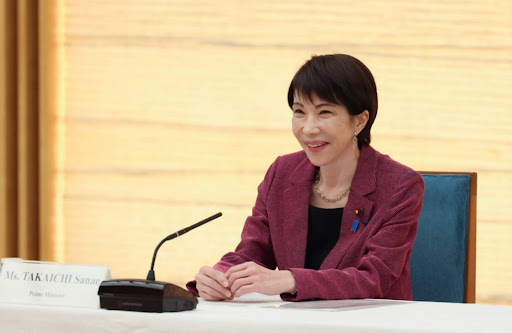
As Japan embarks on the biggest-ever release of strategic oil reserves — deploying 80 million barrels to domestic refiners beginning Thursday — authorities are simultaneously urging the public not to panic-buy household essentials including toilet paper. Prime Minister Sanae Takaichi confirmed the unprecedented reserve deployment in a post on X, framing it as a necessary measure to protect Japan from the energy fallout of the US-Israel war with Iran. The dual challenge of managing energy supply and consumer psychology is testing the government’s communication skills as much as its policy toolkit.
Social media posts warning of imminent toilet paper shortages have gone viral in Japan, echoing similar panics during the Covid-19 pandemic and the 1973 oil shock. The trade and industry ministry moved quickly to counter these claims, pointing out that Japan produces roughly 97% of its own toilet paper domestically using recycled paper — a supply chain with no meaningful exposure to Middle Eastern oil disruptions. Industry leaders added that manufacturers were capable of scaling up output if demand unexpectedly spiked.
Japan’s energy situation is objectively serious, however, with the country relying on the Middle East for over 90% of its crude oil imports. The Strait of Hormuz, through which these supplies flow, has been affected by military activity linked to the US-Israel conflict with Iran. The government’s decision to release 80 million barrels — covering 45 days of national demand — reflects a clear-eyed assessment that the disruption could last long enough to require sustained reserve deployment.
To cushion consumers from rising fuel costs, the government has introduced subsidies capping gasoline at approximately ¥170 per litre, down from a record ¥190.8. These price controls will be reviewed weekly as oil markets continue to gyrate. Officials hope that the combination of visible supply releases and price stabilization will help restore public confidence and discourage hoarding behavior.
Japan’s foreign policy response has been equally deliberate, with Takaichi refusing to deploy naval forces to the Hormuz area despite Trump’s request and instead committing to active multilateral diplomacy. The prime minister’s steady, constitution-respecting approach has drawn both praise and criticism domestically. Regardless, Japan’s strategy makes clear that it will respond to this crisis with economic tools and diplomatic influence rather than military force.