
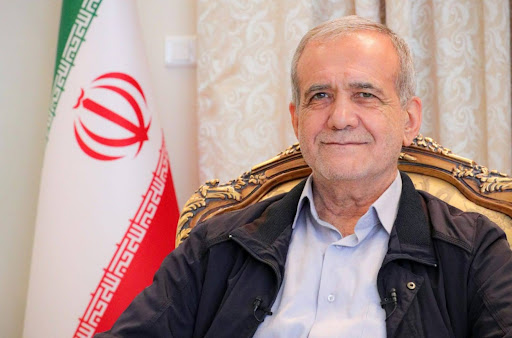
Iranian President Masoud Pezeshkian took to the global platform X to send a direct message to Gulf governments as the Iran-US war surpassed one month. His warning was unambiguous: nations that allow enemies to use their soil to attack Iran cannot expect peace or prosperity in return. The post reflected Tehran’s hardening stance toward regional governments seen as enabling the conflict.
The war’s geographic reach has expanded dramatically since it began, with Iranian strikes landing inside Saudi Arabia, the UAE, Kuwait, Oman, and Qatar. These strikes have all been characterized by Tehran as retaliatory responses to operations launched from American military bases located in those countries. The collateral impact has alarmed governments and populations across the region.
Pezeshkian’s statement on X outlined a straightforward position: Iran doesn’t attack first, but it responds to any attack on its critical infrastructure with overwhelming force. He then called on Gulf leaders to make a choice that aligns their actions with their stated interests in development and security. The implicit message was that their current course is a path to instability.
Pakistan’s diplomatic intervention has added structure to what might otherwise be a chaotic regional situation. Prime Minister Sharif, having spoken directly with Pezeshkian, confirmed that the Iranian president sees trust-building as essential before any formal negotiations can take shape. Pakistan’s foreign minister Ishaq Dar is now leading a regional summit involving Saudi Arabia, Egypt, and Turkey.
The Pakistani-hosted talks mark a serious regional effort to construct a de-escalation pathway. All parties have agreed to engage in in-depth discussions on the conflict and related tensions. The diplomatic process, while uncertain, represents the most organized international effort to end the fighting so far.