
Oman’s annual inflation rate reached 2.9% in October 2026, driven by significant price increases in key sectors such as food and beverages, transport, and tobacco. The inflation rate was consistent with the average for the January-October period, underscoring persistent price pressures across the nation.
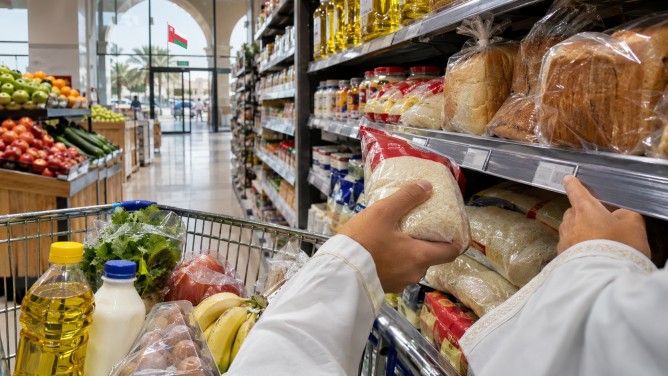
Food and beverages saw the most substantial rise, with prices climbing 7.6% over the year. Within this category, vegetables surged by 17%, fruits by 16.9%, and meat by 10.5%, highlighting the growing cost of essential food items. Transport costs increased by 5.6%, while tobacco prices rose by 4.7%. Other sectors, including healthcare, restaurants and hotels, and household goods, also experienced price hikes. Housing and utility costs saw a modest increase of 0.1%.
Regionally, A’Dhahirah and Al Wusta reported the highest inflation rates at 3.8% each, followed by Muscat at 3%. In contrast, Dhofar recorded the lowest rate at 2.1%, indicating varying inflationary pressures across different parts of Oman.
The rising inflation in Oman reflects broader economic trends affecting consumer prices, with essentials like food witnessing the steepest increases. These trends are likely to impact household budgets and purchasing power, as citizens face higher costs for everyday items.