
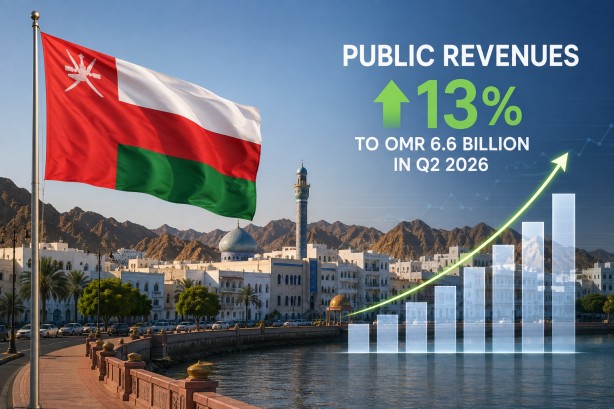
Oman’s financial landscape saw a significant uplift with public revenues climbing by 13% year-on-year, reaching around OMR 6.602 billion by the close of the second quarter in 2026. This growth largely stemmed from increased oil and gas revenues, highlighting the sector’s pivotal role in the country’s economic performance. The Ministry of Finance’s Fiscal Performance Bulletin showed a rise from the OMR 5.839 billion recorded in the same period of the previous year.
Breaking down the revenue figures, net oil revenues grew by 10%, totaling OMR 3.332 billion. Meanwhile, net gas revenues experienced a remarkable 32% increase, amounting to OMR 1.164 billion. The country achieved an average realized oil price of $74 per barrel and maintained a robust average daily production rate of approximately 1.074 million barrels, underscoring the strength of Oman’s energy sector.
On the expenditure front, Oman saw a 9% rise, with public spending reaching OMR 6.619 billion compared to OMR 6.098 billion from the year before. Current expenditure increased to OMR 4.369 billion. Additionally, investment in development by ministries and civil units hit OMR 798 million, reflecting the government’s focus on advancing infrastructure and public services despite heightened spending levels.
Encouragingly, Oman’s public debt remained relatively stable, standing at OMR 14.16 billion, a modest rise from OMR 14.12 billion in the same timeframe last year. This stability suggests effective fiscal management amidst expanding revenues and expenditures. The financial data underscores a continued positive trajectory in Oman’s public finances, driven by robust energy sector gains and balanced with increased government spending in the first half of 2026.