
Fatty liver disease has quietly become one of the most common health conditions affecting adults, with new data revealing its alarming prevalence. Research suggests that metabolic-dysfunction-associated steatotic liver disease may impact approximately 40 percent of the population, often without any noticeable symptoms.
Unlike alcohol-induced liver disease, this condition stems from metabolic dysfunction associated with obesity and diabetes. The danger lies not just in its prevalence but in its potential to progress—from benign fat accumulation to serious complications like fibrosis and malignancy.
Diet plays a crucial role in managing and potentially reversing fatty liver disease. A nutrition expert has identified five specific foods that demonstrate particular efficacy in supporting liver function and reducing fat accumulation when consumed as part of a regular diet.
Black coffee emerges as an unexpected supporter of liver health. Scientific research has shown that caffeine helps reduce the progression of liver disease and decreases fatty deposits in the liver. This simple daily beverage offers significant protective benefits for liver health.
Blueberries deserve their superfood status, particularly for liver health benefits. These berries are rich in anthocyanins, compounds with strong anti-inflammatory properties that specifically benefit liver cells. By targeting cellular inflammation, blueberries help protect against the development and progression of fatty liver disease.
The traditional fruit amla brings time-tested benefits to modern liver health. Its high concentration of vitamin C provides powerful antioxidant effects that reduce oxidative stress, a major factor in fatty liver development. Including amla in your diet offers both traditional wisdom and contemporary health benefits.
Avocados contribute to liver health through their content of glutathione, a compound essential for liver function. Glutathione enhances the liver’s ability to produce and regenerate cells, supporting natural healing processes. It also reduces oxidative stress, slowing the progression of fatty liver disease.
Turmeric paired with black pepper creates a particularly effective combination for liver health. Turmeric provides curcumin with its potent anti-inflammatory and antioxidant properties, while black pepper enhances curcumin’s bioavailability. This synergistic pairing helps reduce inflammation and prevent fatty liver disease.
Five Foods That Can Help Reverse Fatty Liver: A Nutrition-Based Approach
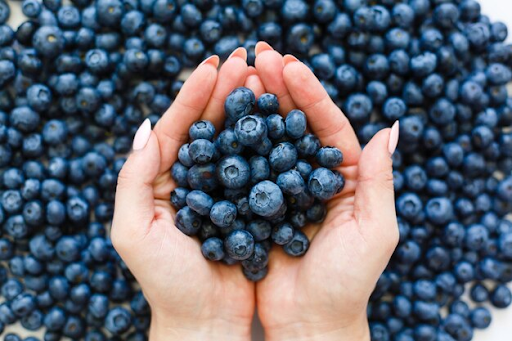
Picture Credit: www.freepik.com
1