
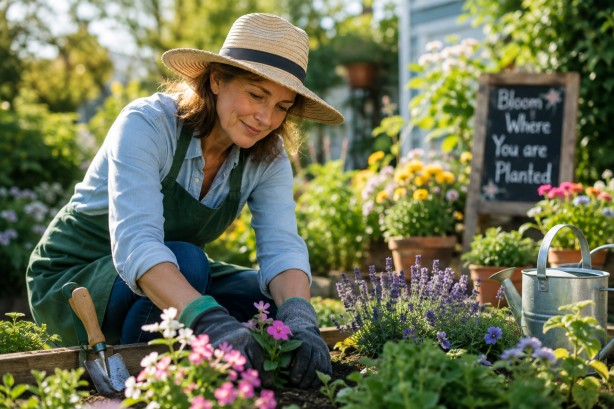
Gardening, commonly perceived as a relaxing pastime, offers benefits that extend well beyond the aesthetic appeal of a beautiful outdoor space. This activity merges physical exertion, outdoor exposure, sensory engagement, and a connection with nature, all of which contribute to enhanced overall well-being. Studies highlight several physical and mental health benefits associated with gardening, emphasizing its potential to support a healthier lifestyle.
One significant advantage of gardening is its positive impact on cognitive health. The activity demands movement, planning, and engagement of multiple senses. Tasks such as selecting plants, remembering care routines, and handling soil provide consistent mental stimulation. Research suggests that regular gardening can improve cognitive functioning by combining physical activity with mental engagement and mood enhancement.
Gardening also plays a role in stress reduction. Being surrounded by greenery creates a calming atmosphere that can alleviate stress. Activities like watering, pruning, and planting offer a respite from daily pressures, contributing to lower stress levels. Reduced stress is linked to better overall health, making gardening a valuable component of a balanced lifestyle. Additionally, gardening provides a sense of purpose and achievement, which can enhance mental well-being. Observing plant growth and engaging in regular care encourages outdoor activity and disconnection from daily distractions. Studies associate gardening with improved mood, reduced anxiety, and increased life satisfaction.
Physical activity is another crucial benefit of gardening. Tasks such as digging, planting, and carrying soil engage various muscle groups, promoting increased physical activity. For individuals with sedentary lifestyles, gardening presents a practical way to incorporate movement into their day while performing meaningful tasks. Furthermore, gardening encourages time spent outdoors, exposing individuals to daylight and promoting vitamin D production, essential for bone health and immune function. However, it is important to balance sun exposure with appropriate protection, especially during periods of intense sunlight.
The combined effects of physical activity, reduced stress, outdoor time, and healthier habits associated with gardening may support long-term health. Research links gardening among older adults with improved cardiovascular health and a lower risk of certain lifestyle-related conditions. While gardening alone does not guarantee longevity, integrating it into an active, balanced lifestyle can promote healthier aging. Importantly, gardening does not require extensive space or experience. Even cultivating a few herbs, maintaining indoor plants, or dedicating a short time to flower care can provide opportunities for movement, relaxation, and a closer connection to nature. Rather than just a hobby, gardening can effortlessly incorporate physical activity, outdoor engagement, and mental relaxation into daily life.