
The Philippines has urged Southeast Asian nations to remain committed to restraint and international law as growing unilateral actions and regional tensions threaten stability and the global rules-based order.
Speaking at the first major closed-door ASEAN foreign ministers’ meetings of the year in Cebu, Philippine Foreign Secretary Theresa Lazaro warned that aggression at sea, unresolved border disputes, and conflicts within and beyond Southeast Asia continue to undermine peace and multilateral institutions.
Lazaro emphasized that developments outside the region, including actions with cross-regional impact, are affecting Southeast Asia’s security and weakening respect for international norms. She stressed that ASEAN’s long-standing principles of dialogue, restraint, and adherence to international law remain critical to preserving regional peace and stability.
The Philippines, which holds ASEAN’s rotating chair this year, faces the challenge of maintaining unity within a diverse bloc that includes democracies and authoritarian states with differing strategic alignments. Recent clashes between ASEAN members Thailand and Cambodia, as well as the ongoing crisis in Myanmar, have highlighted internal strains within the group.
Foreign ministers are expected to discuss efforts to advance a peace plan for Myanmar and to push forward negotiations with China on a long-delayed code of conduct for the South China Sea, where overlapping territorial claims continue to fuel tensions.
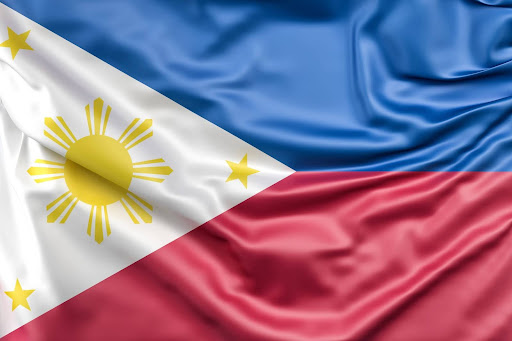
ASEAN Must Uphold Rule of Law Amid Rising Unilateral Actions, Says Philippines’ Foreign Secretary
Picture Credit:www.freepik.com
8