
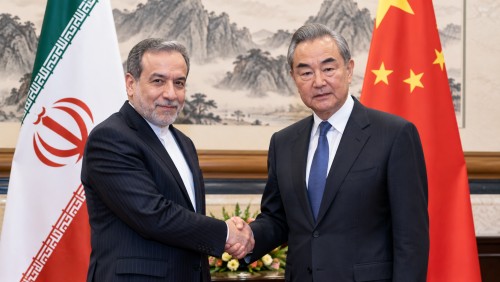
The escalating tensions between Iran and the United States have significant global implications, particularly concerning international shipping routes and energy supplies. In a recent meeting in Beijing, Chinese Foreign Minister Wang Yi emphasized the need for restraint and a return to diplomatic negotiations to resolve these tensions. The stability of the Strait of Hormuz, a critical passage for global energy trade, was highlighted as essential to maintaining worldwide supply chains.
During talks with Iranian Foreign Minister Abbas Araghchi, Wang Yi called for the reopening of the Strait of Hormuz to ensure the security and accessibility of international shipping routes. He stressed that ongoing conflict between Washington and Tehran is detrimental not only to the involved nations but also to the broader international community. Wang advocated for a renewed negotiation process based on existing agreements between the U.S. and Iran.
Araghchi, representing Iran, echoed the sentiment of seeking a peaceful resolution, stating that Tehran is ready to engage in diplomacy while safeguarding its national interests. He affirmed Iran’s commitment to the existing U.S.-Iran memorandum and expressed a willingness to collaborate with regional nations to enhance relations and security measures.
The discussions also addressed the potential for regional instability, with Wang urging countries to prevent the spread of tensions to Yemen and the Red Sea. He underscored the importance of resolving disputes through dialogue rather than conflict. Araghchi welcomed China’s initiatives for fostering peace and security in the Middle East, indicating a readiness to deepen cooperation with Beijing.