
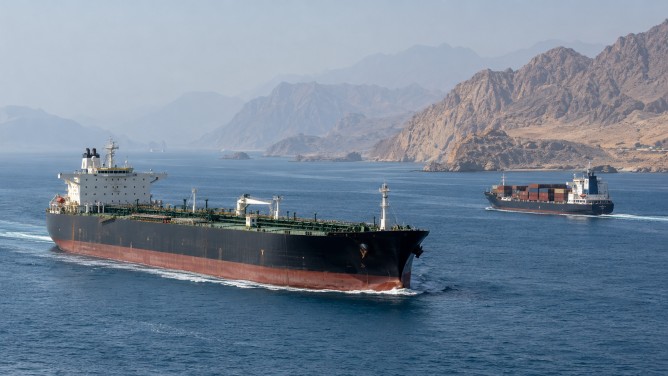
Iranian Foreign Minister Abbas Araghchi announced that the strategic Strait of Hormuz could reopen within six days if the United States complies with Tehran’s conditions. These conditions include the lifting of the US blockade on Iranian ports, the removal of sanctions on Iranian oil exports, and the cessation of hostilities across regional fronts. Araghchi stated that Iran is assessing the US response to its proposal, with the potential for negotiations to resume on the seventh day.
The Strait of Hormuz is a crucial global shipping route, responsible for transporting approximately one-fifth of the world’s oil and liquefied natural gas trade before recent tensions. Any extended disruption in this waterway could have severe implications for international energy markets. This makes the situation particularly pressing, as the future of negotiations remains uncertain.
A significant hurdle in these discussions is the disagreement over Iran’s nuclear program. The United States is pushing for nuclear issues, such as uranium enrichment, to be addressed at the outset of talks. However, Tehran insists that discussions should initially concentrate on reopening the Strait of Hormuz and ensuring security in the area.
In a separate development, Iranian Defence Minister Mehrdad Akhlaghi issued a warning against renewed US military action, suggesting it would result in “enormous damage” to both Washington and its regional allies. He expressed confidence in Iran’s capability to respond to any further attacks, emphasizing the ongoing tension between the two nations.
The impasse over the conditions for ending hostilities leaves the future of the negotiations and the reopening of the vital Strait of Hormuz hanging in the balance. As both sides grapple with these complex issues, the resolution of this geopolitical standoff remains unclear.