
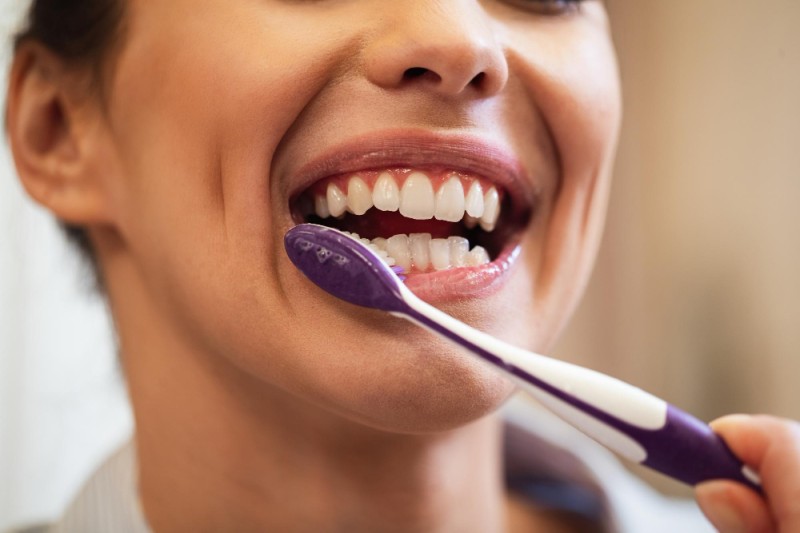
In the realm of oral hygiene, the pursuit of fresh breath is an important concern, prompting a reevaluation of common practices such as the use of antibacterial mouthwash. Experts are increasingly scrutinizing the impact of frequent mouthwash use, with some suggesting it might disrupt the delicate bacterial balance within the oral cavity. The mouth naturally houses a diverse array of bacteria, each contributing to maintaining oral health. Rather than attempting to eradicate all bacteria, nutrition experts advise focusing on areas prone to odor-causing buildup.
The function of antibacterial mouthwashes, while effective in reducing bacteria, may inadvertently affect beneficial microorganisms along with harmful ones. This has led some experts to liken the process to disturbing the body’s natural microbiome, which plays a crucial role in various bodily functions. Notably, certain oral bacteria are instrumental in the production of compounds such as nitric oxide, which is vital for blood vessel function and general health. Hence, preserving a balanced oral environment could be crucial for long-term well-being.
One natural method gaining attention for its potential to enhance breath is tongue scraping. The tongue often accumulates a biofilm, a layer of buildup that can contribute to unpleasant odors. By gently cleaning the tongue’s surface, individuals can remove this biofilm without needing to eliminate all mouth bacteria. This method emphasizes maintaining cleanliness while supporting the mouth’s natural ecosystem, offering a simple yet effective alternative.
Achieving fresh breath involves more than just the use of potent mouthwashes. Essential components of a robust oral care routine include regular brushing, flossing, staying adequately hydrated, cleaning the tongue, and maintaining consistent dental checkups. By adhering to a balanced oral hygiene regimen, individuals can not only reduce bad breath but also foster a healthier oral environment overall.