
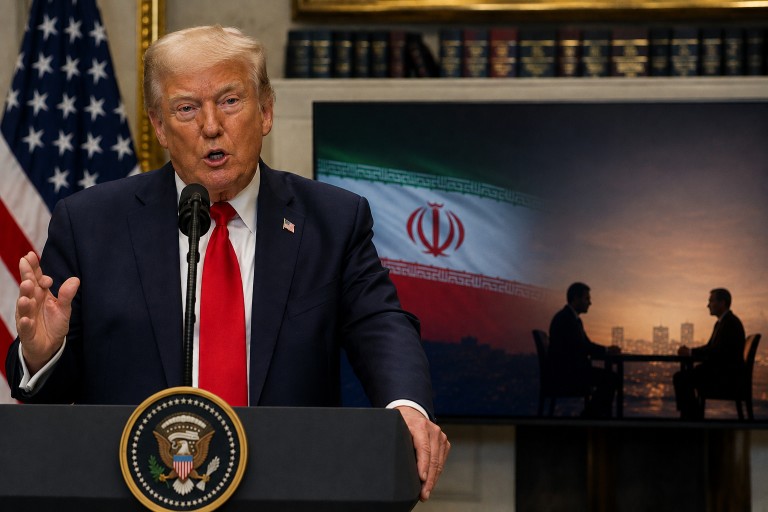
Amid rising tensions with Iran, U.S. President Donald Trump announced that a planned military strike was aborted after gaining assurances that diplomatic negotiations were nearing an agreement. This potential framework aims to reopen the critical Strait of Hormuz and address international concerns surrounding Iran’s nuclear ambitions. Trump indicated that the decision followed requests from not only Iran but also other countries in the Middle East, with Israel expressing support for the move.
Contrary to Trump’s statement, Iranian officials denied having asked for the attack to be called off, labeling the claim as unfounded. They emphasized that Iran’s military forces remain on high alert, prepared to respond decisively to any aggressive actions by the United States or Israel. The Iranian government cautioned that any military engagement could provoke substantial retaliation, potentially targeting key energy infrastructures in the region.
These developments come as tensions continue to simmer, with global energy markets remaining volatile due to the situation. The Strait of Hormuz, a vital passageway for a significant portion of the world’s oil supply, has experienced disruptions, heightening concerns over the stability of oil shipments and the broader security of the region.
The backdrop of heightened diplomatic and military maneuvers in the Middle East underscores the fragile nature of international relations in the area. As stakeholders work to navigate these complexities, the international community closely watches for any shifts that might impact both regional stability and the global energy market.