
The ongoing tensions between Iran and the United States have significant implications for international shipping and energy markets, particularly concerning the strategic Strait of Hormuz. Disruptions in this vital waterway have already impacted global trade, and Iran has signaled that easing military and economic pressures could lead to its reopening. The stakes are high as both nations navigate a complex diplomatic landscape.
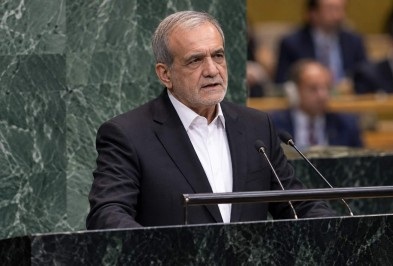
Iranian President Masoud Pezeshkian addressed the United Nations General Assembly, expressing openness to dialogue while criticizing U.S. President Donald Trump’s approach. Pezeshkian emphasized that Iran is willing to engage in negotiations but not under threats or military coercion. This stance comes in response to Trump’s remarks at the UN, suggesting that the U.S. might take further action against Iran, albeit with an openness to renewed discussions.
On the diplomatic front, Iranian Foreign Minister Abbas Araghchi met with U.S. special envoy Steve Witkoff for discussions facilitated by Qatari mediation. These talks focused on Iran’s conditions for resolving ongoing conflicts and reducing pressure on the nation. Among Iran’s demands are the lifting of the naval blockade, easing economic restrictions, and the release of Iranian assets.
Pezeshkian reiterated Iran’s intent to maintain a peaceful nuclear program, denying any pursuit of nuclear weapons. He advocated for regional collaboration on security matters, suggesting that reliance on external powers could be detrimental. This reflects Iran’s broader strategic vision of fostering regional partnerships to ensure stability.
The dialogue between Washington and Tehran remains fraught with challenges, particularly concerning sanctions and Iran’s nuclear ambitions. However, the recent diplomatic engagements indicate that there is still room for negotiation, despite stark differences on key issues. The outcome of these interactions could have far-reaching effects on international relations and economic conditions in the region.