
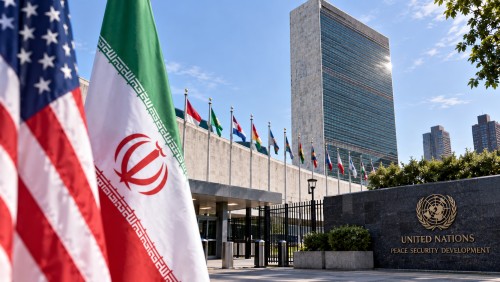
The decision by the United States to permit senior Iranian officials to attend the United Nations General Assembly in New York has significant diplomatic implications amid ongoing tensions between the two nations. This move, aligning with international obligations as the UN’s host country, signals a potential opening for dialogue despite the fraught geopolitical climate.
In accordance with the 1947 UN headquarters agreement, the U.S. State Department confirmed that a core Iranian delegation, including President Masoud Pezeshkian and Foreign Minister Abbas Araqchi, will receive visas to participate in the upcoming assembly. However, these individuals will remain under strict U.S. travel restrictions, limiting their movements to specific locations such as the UN headquarters, Iran’s UN mission, and the Iranian ambassador’s residence.
This development occurs against the backdrop of intermittent diplomatic exchanges aimed at addressing the conflict that erupted earlier this year. The hostilities began on February 28 following U.S. and Israeli military actions targeting Iran, which prompted retaliatory strikes by Tehran against Israel and Gulf states with U.S. military installations.
While the U.S. is honoring its commitments to the UN by allowing Iranian participation, it has simultaneously decided to deny entry to Palestinian officials, including President Mahmoud Abbas, for the same assembly. This selective entry decision underscores the complex landscape of U.S. foreign policy, balancing its roles and strategic interests on the global stage.
The current U.S.-Iran situation continues to be a critical point of international focus, with Washington’s visa decisions reflecting broader diplomatic strategies. As the General Assembly convenes, the presence of Iranian officials could provide a platform for further diplomatic engagement, potentially influencing future relations between the two countries.